Visiting the dentist regularly is one of the most important habits for maintaining long-term oral health. However, not everyone should visit the dentist at the same frequency. Your ideal schedule depends on your personal risk level. Factors such as genetics, lifestyle, oral hygiene, and medical conditions all influence how often you need professional check-ups.
In this guide, you’ll learn how to determine your dental risk level and how frequently you should see your dentist to prevent problems before they start.
Why Dental Check-Ups Matter
Regular dental visits help your dentist detect issues early, such as cavities, gum disease, infections, and enamel erosion. Early detection usually means simpler treatments, lower costs, and a healthier smile.
Dentists also clean your teeth professionally, removing plaque and tartar that you cannot remove at home. This deep cleaning plays a crucial role in preventing gum disease and tooth decay, even if you brush and floss daily.
Understanding Your Dental Risk Level
Your dental risk level is the main factor in determining how often you should schedule appointments. Dentists usually categorize patients into three groups:
-
Low-risk patients
-
Medium-risk patients
-
High-risk patients
Each group requires a different approach to preventive care.
Low-Risk Patients: When Once a Year Is Enough
If you maintain excellent oral hygiene and have a history of minimal dental problems, you may fall into the low-risk category.
You are likely low-risk if:
-
You rarely get cavities
-
You have healthy gums with no signs of gingivitis
-
You brush and floss consistently
-
You have no chronic medical conditions affecting oral health
-
You do not smoke or consume excessive sugar
Recommended frequency:
A dental check-up every 12 months is usually sufficient.
However, even low-risk patients benefit from a professional cleaning once or twice a year. While one annual visit may be acceptable, many dentists still recommend two visits to ensure plaque and tartar do not build up over time.
Medium-Risk Patients: The Standard Twice-a-Year Visits
Most people fall into the medium-risk category. This means you generally take good care of your teeth, but you may have occasional issues that require monitoring.
You are likely medium-risk if:
-
You had cavities in the past
-
Your gums sometimes bleed
-
You occasionally skip flossing
-
You consume sugary foods or drinks regularly
-
You have mild enamel wear
-
You have mild dry mouth
Recommended frequency:
A visit every six months is the standard recommendation.
Twice-a-year check-ups allow your dentist to monitor small issues before they become serious. For people who experience occasional problems, this schedule keeps your teeth and gums stable.
High-Risk Patients: More Frequent Dental Visits
High-risk patients need more frequent dental care to prevent serious complications. Even though these visits may seem like an inconvenience, they can save you from complex procedures in the future.
You are likely high-risk if:
-
You frequently develop cavities
-
You have gum disease or a history of periodontal treatment
-
You have diabetes (which increases gum infection risk)
-
You smoke or vape
-
You experience chronic dry mouth
-
You have a weakened immune system
-
You wear braces or clear aligners
-
You have significant enamel erosion from grinding or acid reflux
Recommended frequency:
High-risk patients should visit the dentist every 3–4 months.
Frequent cleanings and check-ups help control plaque, prevent infections, and reduce the chances of advanced gum disease or tooth loss.
How to Know Your Personal Risk Level
If you are unsure which category you belong to, your dentist can evaluate your risk through a combination of factors, including:
-
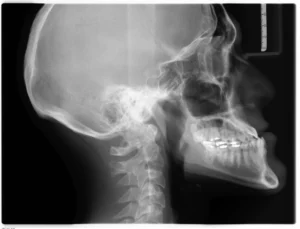
X-rays
-
Gum measurements
-
Analysis of plaque buildup
-
Cavity history
-
Lifestyle habits
-
Medical conditions
Your risk level can also change over time. For example, quitting smoking, improving hygiene habits, or changing your diet may move you from high-risk to medium-risk or even low-risk.
Signs You Should Visit the Dentist Sooner
Even if you follow a recommended schedule, certain symptoms mean you should book an appointment immediately. These include:
-
Persistent tooth pain
-
Bleeding gums
-
Bad breath that doesn’t go away
-
Sensitivity to hot or cold
-
Loose teeth
-
Swelling or discomfort
Ignoring these symptoms can lead to serious complications. Early treatment is always more effective and less costly.
The Role of Daily Oral Hygiene
Your visit frequency is important, but it doesn’t replace daily care at home. To reduce your risk level and protect your teeth, focus on:
-
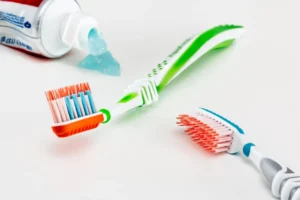
Brushing twice a day with fluoride toothpaste
-
Flossing daily
-
Limiting sugary foods and drinks
-
Staying hydrated
-
Using mouthwash if recommended by your dentist
-
Replacing your toothbrush every three months
Good habits make each dental visit easier and reduce the need for intensive treatments.
Final Thoughts: Let Your Risk Level Guide You
There is no single answer that fits everyone when it comes to how often you should visit the dentist. Instead, your personal risk level determines whether you need visits once a year, twice a year, or every few months.
If you want to maintain healthy teeth for life, work with your dentist to identify your risk level and follow the recommended schedule. Small, consistent steps make a big difference in your long-term oral health.