Gum disease is one of the most common oral health issues among adults, and the good news is that early stages can be managed at home with the right habits. If you’ve been wondering how to prevent and treat gum disease at home, this guide breaks down simple, effective steps that support healthier gums and a cleaner, stronger smile.
Healthy gums don’t happen by chance — they’re the result of consistent care, smart choices, and early intervention when symptoms begin.
What Is Gum Disease and Why It Develops
Gum disease (gingivitis or early-periodontitis) happens when plaque, a sticky bacterial film, builds up along the gumline. When not removed, it can cause:
-
Redness
-
Swelling
-
Gums that bleed during brushing or flossing
-
Bad breath
The earlier you address these symptoms at home, the easier it is to reverse them.
Daily Brushing Techniques to Prevent Gum Disease
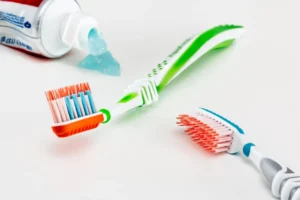
One of the best ways to prevent gum inflammation is adopting the right brushing routine.
Do this twice a day:
-
Use a soft-bristled toothbrush
-
Brush gently along the gumline
-
Use circular motions instead of back-and-forth scrubbing
-
Brush for a full two minutes
-
Choose fluoride toothpaste for cavity and enamel support
If you prefer extra efficiency, an electric toothbrush helps remove more plaque with less effort, making it easier to protect your gums.
Flossing: The Most Important Step for Gum Health
Flossing is essential because it cleans the spaces your toothbrush cannot reach.
To treat early gum disease at home:
-
Floss at least once a day
-
Slide the floss gently between the teeth
-
Wrap it into a “C” shape around the gumline
-
Avoid forcing or snapping the floss
Those who struggle with traditional floss can try water flossers or interdental brushes — both are excellent for reducing inflammation.
Use an Antimicrobial Mouthwash
Antimicrobial or alcohol-free mouthwash can significantly reduce bacteria in the mouth.
Choose a rinse designed for:
-
Gingivitis treatment
-
Reducing plaque
-
Improving gum health
Swish for 30 seconds after brushing or flossing. Alcohol-free mouthwash is best because it avoids dryness and irritation.
Clean Your Tongue Daily
Bacteria accumulate heavily on the tongue and contribute to gum irritation.
You can clean your tongue by:
-
Using a tongue scraper
-
Brushing lightly with your toothbrush
This prevents bacteria from spreading back onto the gums and helps improve breath freshness.
Stay Hydrated Throughout the Day
Water helps your mouth produce saliva — your body’s natural defense against gum disease.
Hydration:
-
Washes away food particles
-
Reduces acidity
-
Blocks harmful bacteria from multiplying
Aim to sip water regularly, especially after meals.
Avoid Sugar and Sticky Snacks
Sugar feeds harmful bacteria responsible for gum inflammation. Sticky snacks cling to teeth and make it harder to clean the gumline.
Limit foods like:
-
Candy
-
Sugary drinks
-
Energy drinks
-
Sticky dried fruits
Choose healthier alternatives such as vegetables, nuts, and dairy-based snacks.
Use Interdental Brushes for Additional Cleaning
Interdental brushes are especially helpful if you have:
-
Tight spaces
-
Gum recession
-
Braces
-
Crowns or bridges
Use them gently to remove plaque in areas floss may miss.
Manage Early Symptoms of Gum Disease at Home
If your gums are starting to feel swollen or sensitive, you can support healing at home with:
-
Warm saltwater rinses (natural soothing effect)
-
Improved brushing technique
-
Daily flossing
-
Switching to a softer toothbrush
-
Using therapeutic mouthwash
Early gum disease (gingivitis) is reversible when treated early and consistently.
When Home Care Isn’t Enough
Even the best home routine cannot remove hardened tartar. If you notice:
-
Persistent bleeding
-
Gum recession
-
Painful chewing
-
Bad breath that won’t go away
— it’s important to schedule a dental appointment for a professional cleaning.
(You can include an internal link here to your “Dental Cleaning Services” page.)
For additional trusted health information, visit:
-
The CDC Oral Health Resources
-
The American Dental Association’s gum disease guidelines
Final Thoughts
Knowing how to prevent and treat gum disease at home gives you the power to protect your smile every day. With consistent brushing, flossing, hydration, and smart dietary habits, you can significantly reduce your risk of gum problems — and even reverse early signs of inflammation.
Your gums are the foundation of your oral health. Treat them well, and they will support your smile for years to come.
If you want personalized guidance, schedule a visit with your local dentist — a professional can tailor a gum health routine based on your unique needs.