As we age, our dental needs change. Preventive dental care for adults over 40 becomes more important than ever, as the risk of gum disease, tooth wear, dry mouth, and systemic health issues increases. The good news? With the right daily habits and professional care, most dental problems can be prevented before they become costly or painful.
This guide outlines the most effective preventive dental care steps adults over 40 should follow to protect their smile, health, and quality of life.
Why Preventive Dental Care Matters After 40
After 40, natural changes in the body affect oral health. Gums may recede, enamel becomes thinner, and existing dental work begins to age. Additionally, many adults start taking medications that reduce saliva, increasing the risk of cavities and infections.
Preventive dental care focuses on early detection, daily maintenance, and professional monitoring—helping you avoid advanced dental treatments later on.
Brush and Floss With Greater Precision
Daily oral hygiene remains the foundation of preventive dental care for adults over 40, but technique matters more than ever.
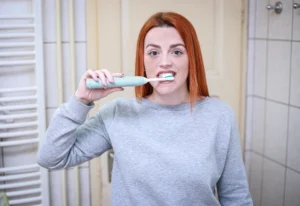
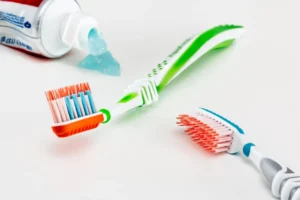
Brush twice a day using a soft-bristled or electric toothbrush to avoid enamel erosion and gum damage. Fluoride toothpaste strengthens weakened enamel and helps prevent decay around older fillings and crowns.
Floss at least once daily to remove plaque between teeth and below the gumline. For adults with tight spacing, bridges, or implants, interdental brushes or water flossers can be especially effective.
Prioritize Gum Health
Gum disease is one of the most common dental issues after 40—and often progresses silently.
Watch for early warning signs such as bleeding gums, bad breath, gum tenderness, or gum recession. Addressing these symptoms early with professional cleanings and improved home care can prevent bone loss and tooth mobility.
Preventive dental care steps should always include regular periodontal evaluations to keep gums healthy and stable.
Manage Dry Mouth and Lifestyle Risks
Dry mouth is common in adults over 40, especially due to medications or medical conditions. Saliva protects teeth by neutralizing acids and washing away bacteria.
To reduce dry mouth:
-
Drink water frequently
-
Avoid excessive caffeine and alcohol
-
Use sugar-free gum or saliva substitutes if needed
Smoking and high-sugar diets significantly increase dental risks at this stage of life, making lifestyle adjustments a critical part of prevention.
Schedule Regular Dental Checkups and Cleanings
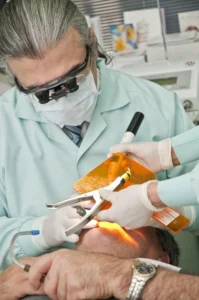
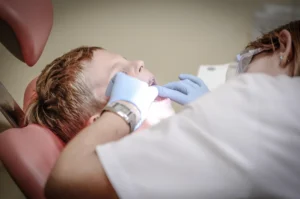
Professional care is a core element of preventive dental care for adults over 40. Most adults benefit from dental visits every six months, though those with gum disease or complex dental histories may need more frequent visits.
During preventive visits, dentists can detect early signs of decay, gum disease, oral cancer, and bite problems—long before symptoms appear.
According to the American Dental Association, routine dental exams play a vital role in maintaining overall health, not just oral health.
Protect Teeth From Wear and Damage
Years of chewing, grinding, and clenching can lead to tooth wear, cracks, and sensitivity. If you grind your teeth at night, a custom night guard can prevent serious damage.
Adults over 40 should also be cautious with overly abrasive whitening products and aggressive brushing, which can accelerate enamel loss.
Keep Existing Dental Work Healthy
Crowns, fillings, implants, and bridges require maintenance. Preventive dental care includes monitoring older restorations for wear, leakage, or gum inflammation around them.
Replacing or repairing dental work early is far easier—and less expensive—than waiting for failure or infection.
Final Thoughts: Prevention Is the Smartest Investment After 40
Preventive dental care for adults over 40 is about protecting what you’ve built over a lifetime. Small, consistent steps—combined with regular professional care—can prevent major dental problems, preserve your natural teeth, and support long-term health.
A proactive approach today helps you avoid complex treatments tomorrow, keeping your smile strong, functional, and confident for years to come.