Tooth sensitivity is a common dental issue that affects millions of adults. If you feel a sharp, sudden pain when eating hot, cold, sweet, or acidic foods, you’re not alone. The good news is that many cases of sensitive teeth can be managed effectively with the right at-home treatments.
This guide explains the best at-home treatments for sensitive teeth, why sensitivity happens, and how to reduce discomfort while protecting your long-term oral health.
What Causes Sensitive Teeth?
Tooth sensitivity occurs when the protective enamel wears down or when gums recede, exposing the dentin underneath. Dentin contains microscopic tubules that connect to the nerve of the tooth, making it highly responsive to temperature and certain foods.
Common causes include:
-
Aggressive brushing or using hard-bristled toothbrushes
-
Gum recession due to periodontal disease
-
Teeth grinding (bruxism)
-
Acidic foods and beverages
-
Tooth decay or cracked teeth
-
Recent dental procedures such as whitening
Understanding the cause helps determine the most effective at-home treatments for sensitive teeth.
Use a Desensitizing Toothpaste Daily
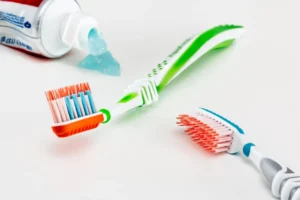
One of the most effective and widely recommended at-home treatments for sensitive teeth is desensitizing toothpaste. These formulas contain ingredients like potassium nitrate or stannous fluoride that help block nerve signals and strengthen enamel.
For best results:
-
Brush twice daily
-
Use only a pea-sized amount
-
Avoid rinsing immediately after brushing to allow the ingredients to work
Most people notice improvement within two to four weeks of consistent use.
Switch to a Soft-Bristled Toothbrush
Hard brushing can worsen sensitivity by wearing away enamel and irritating gums. Switching to a soft-bristled toothbrush helps protect exposed dentin and reduces further damage.
Electric toothbrushes with pressure sensors can also be beneficial, as they help prevent excessive force while brushing.
Improve Your Brushing Technique
Even with the right toothbrush, poor technique can aggravate sensitivity. Use gentle, circular motions and avoid horizontal scrubbing, especially near the gumline.
Brushing twice a day is sufficient—brushing more frequently or too aggressively can increase sensitivity over time.
Limit Acidic Foods and Beverages
Diet plays a significant role in tooth sensitivity. Acidic foods weaken enamel and expose dentin, making teeth more reactive.
Try to reduce:
-
Citrus fruits and juices
-
Soda and energy drinks
-
Vinegar-based foods
-
Wine
When consuming acidic foods, rinse with water afterward and wait at least 30 minutes before brushing to prevent enamel erosion.
Use a Fluoride Mouth Rinse
Fluoride strengthens enamel and reduces sensitivity by reinforcing the tooth’s protective layer. Using a fluoride mouth rinse once daily is an effective at-home treatment for sensitive teeth.
Choose an alcohol-free formula to avoid drying out your mouth, which can worsen sensitivity.
Protect Teeth From Grinding and Clenching
Teeth grinding, especially at night, wears down enamel and increases sensitivity. While custom night guards are provided by dentists, over-the-counter night guards can offer temporary protection at home.
If sensitivity persists, professional evaluation is recommended to prevent long-term damage.
Practice Proper Gum Care
Receding gums expose sensitive root surfaces that lack enamel protection. Gentle brushing, flossing, and interdental cleaning help prevent gum inflammation and further recession.
Using a toothpaste designed for gum health can support tissue healing and reduce sensitivity over time.
Avoid Overuse of Whitening Products
While whitening products improve appearance, excessive use can irritate teeth and increase sensitivity. If sensitivity develops, stop whitening and focus on remineralizing treatments until symptoms improve.
When At-Home Treatments Aren’t Enough
Although at-home treatments for sensitive teeth are effective for many people, persistent or worsening sensitivity may signal an underlying issue such as decay, cracks, or advanced gum disease.
According to the American Dental Association, ongoing tooth sensitivity should always be evaluated by a dentist to rule out serious conditions and provide appropriate treatment.
Final Thoughts
The best at-home treatments for sensitive teeth focus on protecting enamel, reducing nerve exposure, and maintaining healthy gums. With consistent care and mindful habits, most people can significantly reduce discomfort and enjoy everyday foods again.
If sensitivity continues despite home care, professional treatment may be necessary to address the root cause and prevent further damage.