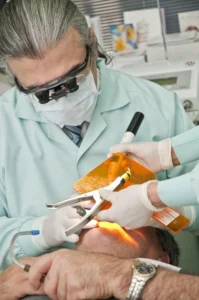
Dental implants are widely considered one of the most reliable and long-lasting solutions for replacing missing teeth. In fact, with success rates of over 95% in healthy patients, implant dentistry has completely changed modern dental care. However, despite these high success rates, dental implant failure can still occur in certain situations.
Therefore, understanding the main risk factors for implant failure and applying proven prevention strategies is essential for achieving predictable, long-term results.
In this article, we will explore the most common causes of dental implant failure, the early warning signs to watch for, and evidence-based strategies that help reduce risks and improve overall implant success.
What Is Dental Implant Failure?
Dental implant failure occurs when an implant does not properly bond with the jawbone or loses stability after it has already integrated. This bonding process is known as osseointegration, and it plays a critical role in implant success.
Generally, implant failure can be classified into two main types:
-
Early implant failure – occurs before or shortly after osseointegration, usually during the healing phase
-
Late implant failure – occurs months or even years after placement, often due to biological or mechanical complications
Key Risk Factors for Dental Implant Failure
1. Poor Bone Quality or Insufficient Bone Volume
Adequate bone density and bone volume are essential for successful osseointegration. Without enough healthy bone, the implant may not achieve proper stability.
For example, patients with bone loss caused by periodontal disease, trauma, or long-term tooth loss face a significantly higher risk of dental implant failure. In such cases, additional procedures may be required before implant placement.
2. Peri-Implantitis and Gum Disease
Peri-implantitis is an inflammatory condition that affects the soft tissue and bone surrounding dental implants. Importantly, it is one of the leading causes of late implant failure.
Common risk factors include:
-
Poor oral hygiene
-
A history of periodontal (gum) disease
-
Smoking
-
Uncontrolled diabetes
As a result, inflammation and infection can lead to bone loss and eventual implant failure if not treated early.
3. Smoking and Tobacco Use
Smoking is a well-documented risk factor for dental implant failure. Specifically, it reduces blood flow, slows down healing, and increases the risk of infection.
Moreover, multiple studies consistently show that smokers experience higher implant failure rates compared to non-smokers. Therefore, smoking cessation is strongly recommended before and after implant surgery.
4. Systemic Health Conditions
Certain systemic medical conditions can negatively affect implant healing and long-term success. These conditions include:
-
Uncontrolled diabetes
-
Autoimmune diseases
-
Osteoporosis
-
Immunosuppressive disorders
When these conditions are poorly managed, patients face a higher risk of both early and late implant failure. On the other hand, well-controlled medical conditions often allow for successful implant treatment.
5. Improper Implant Placement or Surgical Technique
Surgical precision plays a crucial role in implant success. For example, improper angulation, insufficient primary stability, or overheating of the bone during surgery can compromise osseointegration.
As a result, careful planning, proper training, and the use of advanced imaging technology are essential for reducing surgical-related complications.
6. Occlusal Overload and Bite Problems
Excessive biting forces or an unbalanced bite can place unnecessary stress on dental implants. Over time, this may lead to:
-
Implant loosening
-
Bone loss around the implant
-
Fracture of implant components
Additionally, bruxism (teeth grinding) is a major contributing factor and should be addressed as part of the treatment plan.
7. Poor Oral Hygiene and Lack of Maintenance
Although dental implants are not natural teeth, they still require consistent care. Without proper oral hygiene, plaque and bacteria can accumulate around the implant.
Consequently, the risk of inflammation, infection, and peri-implantitis increases significantly, potentially leading to implant failure.
Signs and Symptoms of Dental Implant Failure
Early detection is extremely important, as it can prevent more serious complications. Common warning signs include:
-
Persistent pain or discomfort
-
Implant mobility
-
Swelling or bleeding around the implant
-
Pus or other signs of infection
-
Progressive bone loss visible on dental X-rays
If any of these symptoms appear, prompt professional evaluation is essential.
Prevention Strategies for Dental Implant Failure
1. Comprehensive Patient Evaluation
Successful implant treatment always begins with proper planning. This includes:
-
A detailed medical and dental history
-
CBCT scans for accurate bone assessment
-
Evaluation of risk factors such as smoking or systemic disease
By identifying risks early, clinicians can significantly improve implant outcomes.
2. Bone Grafting and Site Preparation
When bone volume is insufficient, procedures such as bone grafting or sinus lifts may be necessary. These treatments help create a stable foundation for implant placement and improve long-term success rates.
3. Strict Infection Control and Surgical Precision
Using advanced surgical protocols, sterile techniques, and high-quality implant systems helps reduce the risk of early implant failure. In addition, careful handling of soft tissue and bone promotes proper healing.
4. Patient Education and Oral Hygiene Instruction
Patient cooperation is critical for long-term success. Therefore, patients should be educated on:
-
Proper brushing and flossing techniques
-
The use of interdental brushes or water flossers
-
The importance of routine dental checkups
5. Smoking Cessation Programs
Encouraging patients to stop smoking before and after implant surgery can dramatically improve healing and osseointegration. Most importantly, it lowers the overall risk of implant failure.
6. Regular Follow-Ups and Professional Maintenance
Long-term implant success depends on ongoing care, including:
-
Periodic clinical evaluations
-
Radiographic monitoring
-
Professional cleanings around dental implants
As a result, potential problems can be detected and treated early.
7. Occlusal Management
For patients with bruxism or bite issues, occlusal management is essential. For example, custom night guards and precise bite adjustments help protect implants from excessive forces.
Conclusion
In conclusion, while dental implants are a highly successful tooth replacement option, implant failure risk factors must be carefully identified and managed. Through proper planning, patient education, and ongoing maintenance, the risk of dental implant failure can be significantly reduced.
Ultimately, understanding dental implant failure prevention strategies allows both clinicians and patients to work together toward predictable, long-lasting results and improved oral health.